Persistent pain from tendonitis, plantar fasciitis, or a stubborn soft tissue injury can make even simple daily tasks feel difficult. When rest, stretching, and over-the-counter remedies fail to provide lasting relief, many patients begin looking for a more targeted solution. ProWellness Family Chiropractic offers shockwave therapy for stubborn tendon and soft tissue pain, a non-invasive option for patients in Lincolnton, NC who want to address the root cause of their pain rather than simply manage the symptoms.
What Is Shockwave Therapy and How Does It Work?
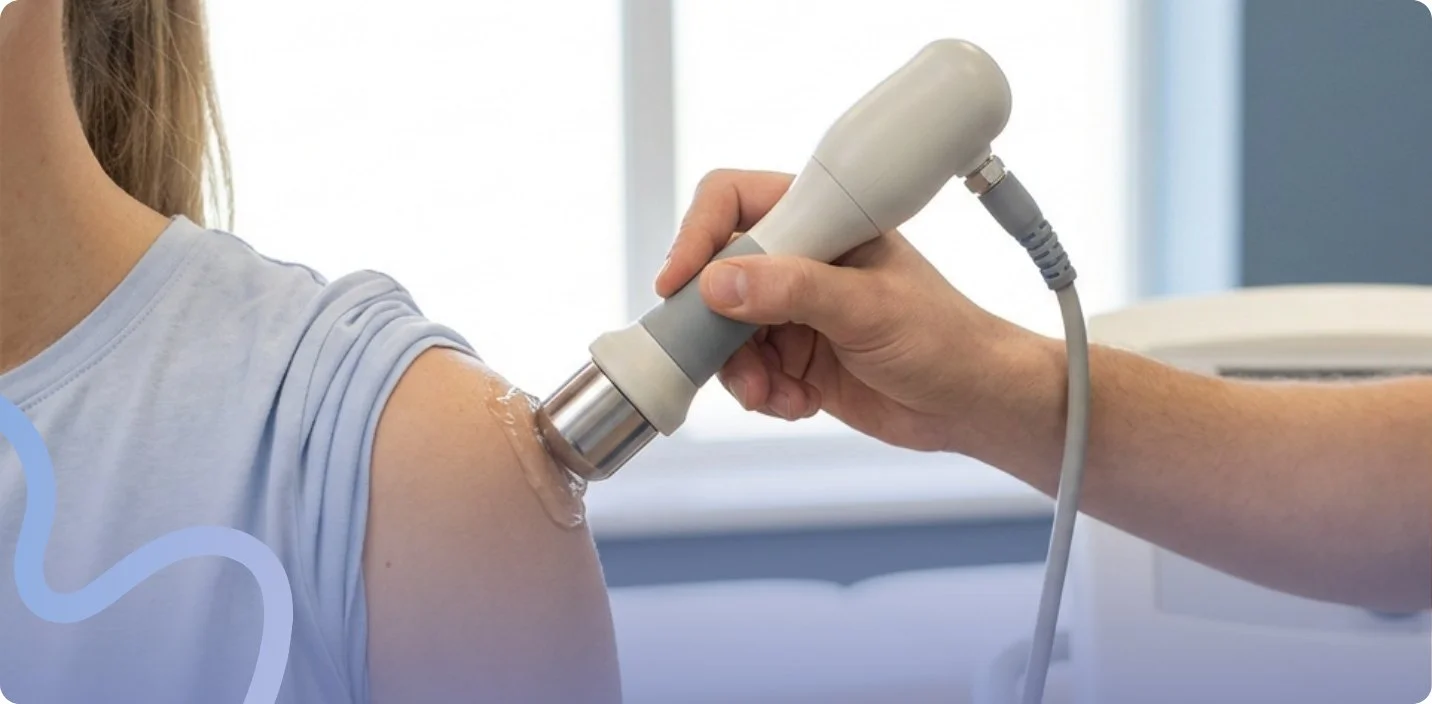
Shockwave therapy, also known as extracorporeal shockwave therapy, uses acoustic pulses delivered through a specialized device to stimulate healing at the site of an injury. These pressure waves penetrate the skin and interact with the underlying tissue, creating controlled microtrauma that signals the body to begin a fresh healing response.
This process is thought to encourage the production of collagen, which is essential for rebuilding damaged tendons, ligaments, and connective tissue. It also appears to improve local circulation, allowing more oxygen and nutrients to reach the injured area. Together, these effects are why shockwave therapy is often considered when rest alone has not been enough.
Breaking Down Scar Tissue and Restoring Mobility
Old injuries often leave behind scar tissue and adhesions that limit movement and contribute to ongoing discomfort. The mechanical energy from shockwave therapy may help break down this built-up tissue, which can restore flexibility and reduce the tension pulling on nearby joints and muscles.
As mobility improves, patients often find it easier to return to the activities that pain had previously taken off the table. This is one of the reasons shockwave therapy has become a valuable part of the sports medicine care at our Lincolnton clinic.
Reducing Pain at the Source
Shockwave therapy also works to calm the nerve activity contributing to chronic pain. Research points to a direct effect on local nerve endings in the treated area, which can lead to a noticeable reduction in discomfort. It may also help lower the concentration of inflammatory chemicals that keep pain signals active long after the original injury has occurred.
For many patients, this combination of calmer inflammation and quieter nerve activity translates into pain relief that lasts well beyond the treatment session itself.
Which Conditions Respond Well to Shockwave Therapy?
Shockwave therapy is a versatile treatment that can support recovery from a wide range of musculoskeletal conditions. Patients at ProWellness Family Chiropractic often seek this therapy for plantar fasciitis, tennis elbow, tendinitis, jumper's knee, shin splints, and other forms of chronic soft tissue pain.
Athletes and laborers throughout Lincoln County frequently turn to this treatment because it targets overuse injuries directly, helping them stay active without relying on medication or facing extended time away from their routines.
Ideal Candidates for Treatment
Patients who have tried rest, physical therapy, or anti-inflammatory medication without lasting success are often good candidates for shockwave therapy. This includes people dealing with recurring flare-ups of the same injury as well as those looking for an alternative to surgery.
Shockwave therapy is not for everyone, though. People with certain blood-clotting disorders or an active infection or tumor in the treatment area should avoid it, and pregnancy calls for caution. A thorough evaluation at ProWellness Family Chiropractic helps determine whether shockwave therapy is the right fit for a patient's specific condition and health history.
What Happens During a Shockwave Therapy Session?
Sessions are quick, non-invasive, and require no downtime. A session lasts around 20 minutes, and most people feel a tapping or mild pulse at the treatment spot; some notice minor soreness afterward that fades within the day. Patients typically walk out of the office and continue on with their day, which makes this treatment easy to fit into a busy schedule. Most patients complete a series of sessions over several weeks, since the biological changes that support healing develop gradually rather than all at once.
Combining Shockwave Therapy With Other Treatments
Many patients achieve their best results when shockwave therapy is paired with other services offered at ProWellness Family Chiropractic. Chiropractic adjustments help support proper spinal and joint alignment, while ultrasound therapy and dry needling can further support deep tissue healing. Together, these treatments create a comprehensive plan that addresses pain from multiple angles.
Take the Next Step Toward Recovery
Living with chronic pain does not mean surgery or long-term medication are the only paths forward. Shockwave therapy offers a well-studied, drug-free option for patients ready to move past their discomfort and get back to the activities they enjoy. ProWellness Family Chiropractic invites you to schedule a consultation and find out whether shockwave therapy is the right next step in your recovery.
Frequently Asked Questions
Is shockwave therapy an alternative to surgery for tendonitis?
For many people with chronic tendon pain, shockwave therapy is one of the non-surgical options tried before surgery is considered. It does not suit every case and results vary from person to person, so your provider reviews your history and exam findings first to decide whether it is a reasonable next step for you.
Does shockwave therapy work for tennis elbow and plantar fasciitis?
Both are among the most common reasons people try shockwave therapy. Orthopedic sources describe the research as mixed but encouraging, and many patients notice gradual improvement over a series of visits. Your provider will tell you plainly whether your symptoms fit the pattern it is used for.
What does a shockwave therapy session feel like?
Most people feel a tapping or mild pulsing where the handpiece touches the skin. A session takes about 20 minutes, there is no downtime, and some people notice minor soreness afterward that usually fades within the day.
How long does it take to notice results from shockwave therapy?
Shockwave therapy works gradually. Some people notice a little relief soon after a session, while greater change tends to build over the following weeks as the tissue responds, often across six to eight weeks. A short series of visits is typical.
Who should not have shockwave therapy?
People with certain blood-clotting disorders, an active infection or tumor in the treatment area, and some other conditions should avoid shockwave therapy, and pregnancy calls for caution. That is why ProWellness Family Chiropractic screens your health history before any treatment begins.
Ready to take the next step?
Talk with the ProWellness Family Chiropractic team about a Shockwave Therapy plan built around your body and your goals.