Supporting recovery does not always require needles, medication, or extended downtime. ProWellness Family Chiropractic offers red and blue light therapy at our wellness center in Lincolnton, NC as a gentle, non-invasive option for patients who want to support their body's natural healing processes using targeted wavelengths of light.
What Is the Difference Between Red and Blue Light Therapy?
Light therapy, sometimes called photobiomodulation, uses specific wavelengths of visible light to trigger a response inside the body's cells. Red light and blue light penetrate the skin at different depths, which means each wavelength is suited to a different type of concern. ProWellness Family Chiropractic uses this distinction to match the right wavelength to the right goal, giving patients a plan built around their specific needs.
How Red Light Supports Deeper Healing
Red light reaches deeper into the skin and soft tissue than blue light, where it is thought to act on the mitochondria inside cells. Mitochondria produce the energy cells use to do their work, and red light is being studied for its ability to support that energy production. That is why many patients use red light to support recovery and to help ease the everyday discomfort of sore muscles and joints.
Patients dealing with stiff, achy backs, chronic stiffness, or lingering soft tissue soreness often use red light therapy as part of a broader treatment plan at ProWellness Family Chiropractic. Because it works below the surface, red light is a gentle way to support recovery in muscles and joints that have been slow to bounce back.
How Blue Light Works on the Surface
Blue light has a shorter wavelength than red light, so its effects are concentrated closer to the surface of the skin. This makes it useful for surface-level concerns, and it is most often used for blemish-prone skin.
When used alongside other chiropractic treatments, blue light therapy can round out a care plan that addresses both surface-level and deeper concerns.

Why Does Light Therapy Complement Chiropractic Care?
Chiropractic adjustments work to correct alignment and improve overall function, but many patients benefit from additional support between visits. Light therapy offers a way to keep supporting recovery without adding strain to the body. This makes it a natural complement to the adjustments, ultrasound therapy, and shockwave therapy already available at ProWellness Family Chiropractic.
Supporting Consistency in Your Care Plan
Healing is rarely the result of a single treatment. It develops over time through consistent, layered support. Light therapy sessions are quick, as little as 15 minutes on our bed, and require no recovery time, which makes it easy for patients to incorporate this treatment into a regular care routine without disrupting their schedule.
Our team at ProWellness Family Chiropractic can help determine how often light therapy should be included in your plan based on your specific goals and the areas you are working to improve.
What Happens During a Light Therapy Session?
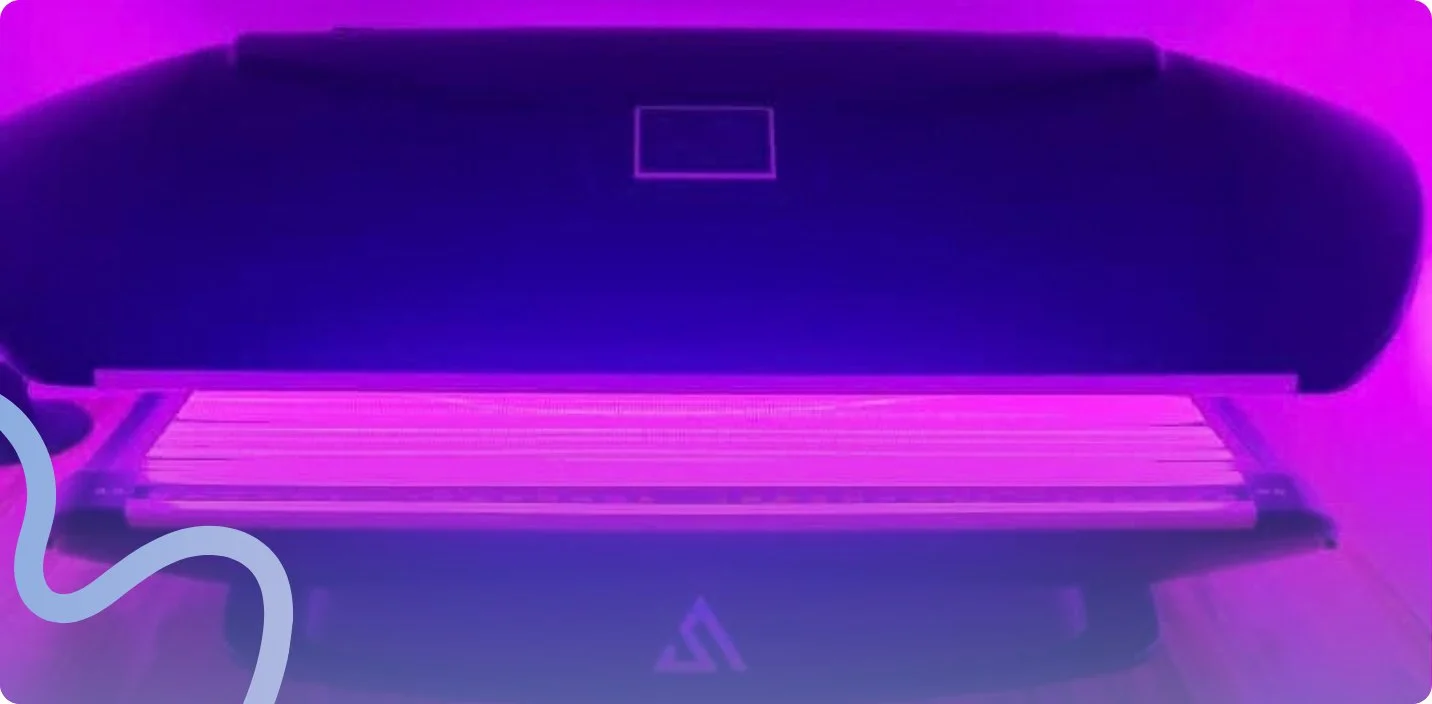
Sessions are simple and comfortable. Patients lie back and relax on our full-body Vita Light Therapy Bed while its panels deliver the wavelengths chosen for their plan, and we provide eye protection. Most people feel only a mild, pleasant warmth, and most patients return to their normal activities immediately afterward. Your provider will walk you through what to expect and how light therapy fits into your overall treatment plan before your first session begins.
Take the Next Step With ProWellness Family Chiropractic
Supporting your body's natural ability to heal does not have to be complicated. Full-body red and blue light therapy sessions offer a simple, non-invasive way to encourage recovery and support your overall wellness goals. We invite you to contact our office to learn more about how this treatment can fit into your care plan.
Frequently Asked Questions
What is the difference between red and blue light therapy?
The main difference is how deep each wavelength works. Red light reaches into the skin and the tissue just beneath it and is often used to support muscle and joint recovery, while blue light stays near the surface and is most often used for blemish-prone skin. A session on our Vita Light Therapy Bed can combine both.
What does blue light therapy do?
Blue light works at the surface of the skin and is most often used for blemish-prone skin. It is not a muscle or joint treatment, which is why it is usually paired with red light in a full-body session rather than used on its own for recovery.
Is red light therapy good for muscle recovery?
Many patients use red light to support muscle recovery and ease everyday aches, and researchers are still studying how much it can do. It is best thought of as a gentle, supportive tool alongside chiropractic care and an active lifestyle, not a stand-alone fix.
How long is a light therapy session?
The Vita Light Therapy Bed is designed for sessions of as little as 15 minutes. Your provider sets the length of your sessions and how often you come in based on your goals.
Is red and blue light therapy safe?
Used as directed, it is generally considered low-risk, and sessions are gentle. We provide eye protection and review your health history first, including light-sensitizing medications, photosensitive conditions, and pregnancy, so light therapy is only used when it is appropriate for you.
Ready to take the next step?
Talk with the ProWellness Family Chiropractic team about a Red and Blue Light Therapy plan built around your body and your goals.